Unlocking Climate-Resilient Home Insurance for Coastal Properties: A Comprehensive Guide

Introduction: The New Reality of Coastal Homeownership
Coastal properties have long represented the pinnacle of real estate luxury and serene living. However, the escalating threats of climate change—characterized by rising sea levels, severe hurricanes, and unprecedented storm surges—have fundamentally altered the global risk landscape. In this changing environment, securing adequate financial protection is no longer just about purchasing a standard policy. Homeowners must now seek specialized solutions, specifically climate-resilient home insurance for coastal properties.
Traditional underwriting methods are struggling to keep pace with the velocity of climate risks. As major insurers pull out of vulnerable coastal markets like Florida, California, and Louisiana, a paradigm shift is underway. This comprehensive guide explores how climate-resilient home insurance for coastal properties is reshaping the market, what features define these policies, and how homeowners can proactively fortify their properties to secure lower premiums and long-term financial stability.

Why Standard Policies Are Falling Short in Coastal Zones
Historically, home insurance operated on historical data, assuming that past weather patterns would accurately predict future risks. This retrospective model is increasingly obsolete. Standard homeowners insurance policies (such as the standard HO-3) typically exclude flood damage, requiring a separate policy through the National Flood Insurance Program (NFIP) or a private insurer.
Furthermore, standard policies rarely incentivize proactive adaptation. They are designed to ‘rebuild to previous standards’ rather than ‘build back better’ with resilient materials. In the context of recurring extreme weather events, this approach leads to a cycle of repetitive losses and soaring premium rates. As a result, the demand for climate-resilient home insurance for coastal properties has spiked, introducing policies that actively integrate forward-looking climate models and reward homeowners who invest in structural resilience.
Defining Climate-Resilient Home Insurance for Coastal Properties
What makes an insurance policy ‘climate-resilient’? Unlike traditional products, climate-resilient home insurance for coastal properties is a proactive risk-management framework that aligns financial protection with physical resilience. These policies often incorporate several innovative features:
- Dynamic Risk Underwriting: Instead of relying solely on broad ZIP-code analysis, resilient insurance uses high-resolution climate modeling and AI to assess the micro-risks of a specific plot of land, factoring in local elevation, sea walls, and natural barriers.
- Mitigation-Linked Discounts: Insurers offer substantial, guaranteed premium reductions for properties that implement verified climate-proofing measures, such as installing impact-resistant glass, fortified roofs, or elevated electrical systems.
- Resilient Rebuilding Clauses: If a loss occurs, these policies provide additional coverage limits specifically to rebuild the property to higher resilience standards (e.g., upgrading to wind-rated materials or elevating the structure), preventing future vulnerabilities.
- Parametric Coverages: A growing trend in resilient insurance, parametric policies pay out a predetermined amount immediately upon the occurrence of a specific trigger event (e.g., a Category 3 hurricane wind speed recorded at a local station), bypassing the lengthy traditional claims adjustment process when immediate funds are needed for stabilization.
Comparative Analysis: Standard vs. Climate-Resilient Insurance
To better understand the structural differences, let us examine how these two insurance philosophies compare across key operational pillars:
| Feature | Standard Coastal Insurance | Climate-Resilient Home Insurance |
|---|---|---|
| Risk Assessment Basis | Historical loss data and broad regional ZIP codes. | Forward-looking climate models, AI projections, and site-specific topography. |
| Premium Incentives | Minimal discounts, often limited to basic smoke alarms or security systems. | Significant, structured premium credits for certified mitigation (e.g., FORTIFIED Home™ standard). |
| Post-Disaster Rebuilding | Replaced with ‘like-kind and quality’ materials, replicating past vulnerabilities. | Upgraded rebuilding to superior wind, flood, and seismic resiliency standards. |
| Claim Payout Speed | Weeks to months, requiring physical inspection and detailed damage assessment. | Rapid payout options, including parametric triggers that release funds within days. |
| Core Focus | Financial indemnity after a disaster has occurred. | Risk reduction, adaptation, and proactive property preservation. |
Critical Property Mitigation Strategies to Lower Premiums
To qualify for the best rates under climate-resilient home insurance for coastal properties, homeowners must actively participate in reducing their risk profile. Underwriters assess specific physical attributes of the home when determining the resilience score.
1. Structural Elevation
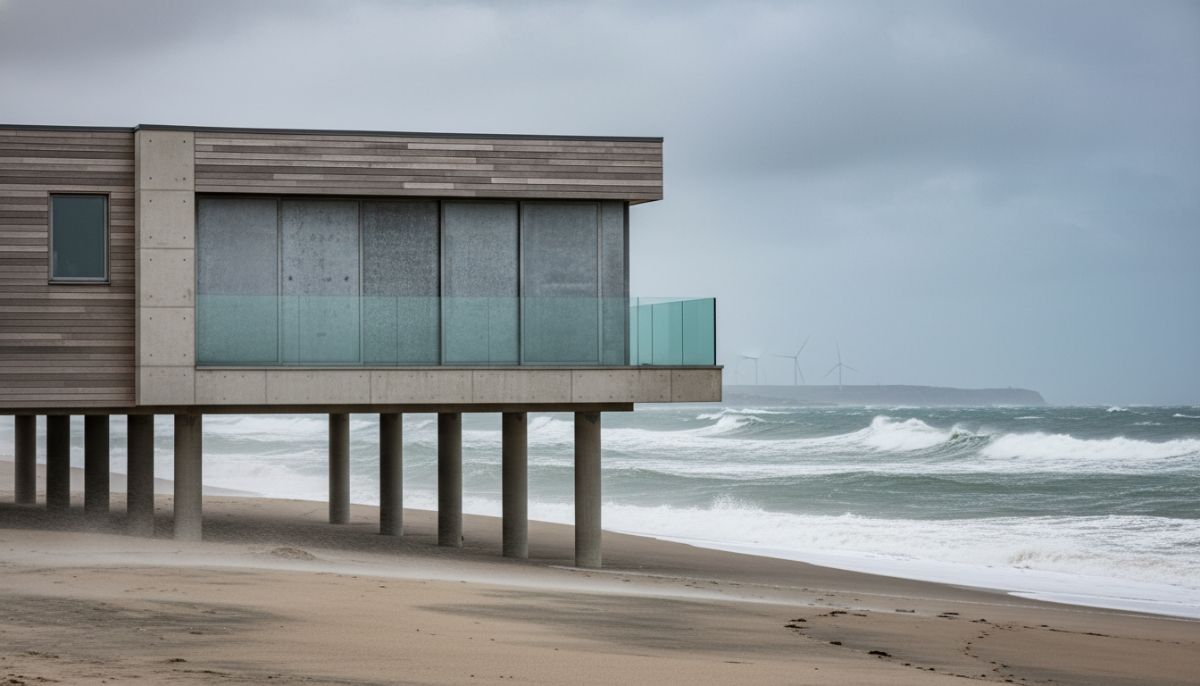
Elevating the lowest living floor of a coastal home above the Base Flood Elevation (BFE) is the single most effective way to reduce flood premiums. Even an elevation of one to three feet above the local BFE can lead to a drastic reduction in annual insurance costs, sometimes saving homeowners thousands of dollars annually while drastically reducing the risk of structural failure.
2. Fortified Roof Standards
The roof is a property’s first line of defense against high winds. Implementing standards such as the ‘FORTIFIED Home™’ designation—which requires sealed roof decks, ring-shank nails, and wind-resistant shingles—ensures that the roof remains intact during severe storms. Insurers heavily favor this certification and offer some of the most substantial discounts for its implementation.
3. Impact-Resistant Glazing and Openings
Standard windows are highly vulnerable to flying debris. Installing impact-resistant windows or permanent, engineered storm shutters prevents pressurization of the home’s interior, which often leads to catastrophic roof blowouts during severe windstorms.

‘Mitigation is the ultimate currency of insurance in the climate-change era. We can no longer simply price risk; we must actively work to reduce it before the storm makes landfall.’ — Dr. Elizabeth Vance, Climate Risk Analyst
Navigating the Market for Coastal Property Coverage
Securing climate-resilient home insurance for coastal properties requires a strategic approach. Homeowners should not rely solely on standard online aggregators, which often fail to capture the complex risk-mitigation features of high-value coastal structures.
Partner with Specialized Brokers
Work with independent insurance brokers who specialize in high-risk coastal markets. These professionals have direct access to surplus lines insurers and niche syndicates (such as Lloyd’s of London) that offer customized, climate-resilient policies tailored to unique architectural designs and geographic risks.
Leverage Smart Home Technology
Many modern climate-resilient policies require or incentivize the installation of smart home technology. Water leak sensors, automatic shut-off valves, and real-time wind monitoring systems can provide insurers with continuous data, verifying that the property is actively protected against secondary perils.
The Future of Coastal Underwriting: Technology and Policy
The landscape of coastal property insurance is evolving rapidly. State and federal programs are adjusting their approaches to match the realities of a changing climate. For instance, the Federal Emergency Management Agency (FEMA) in the United States introduced ‘Risk Rating 2.0’ for the National Flood Insurance Program, which aligns flood insurance rates with actual, individual property risks rather than broad flood zones.
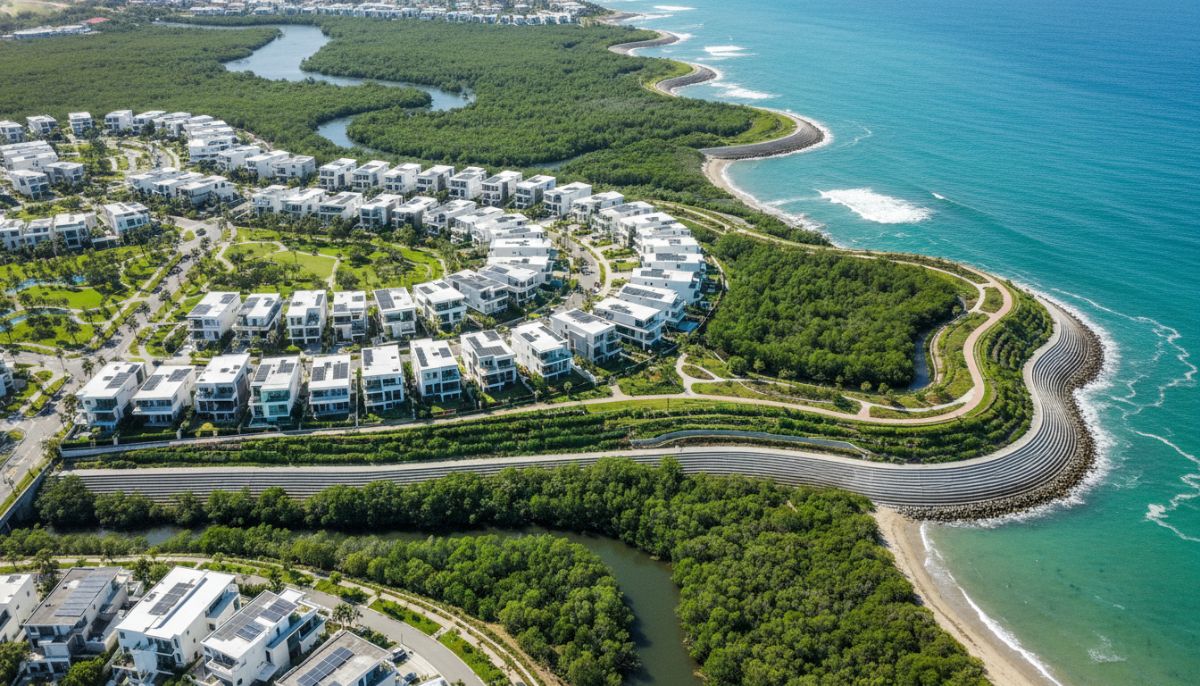
Simultaneously, the private market is leveraging satellite imagery, machine learning, and advanced meteorological models to predict property-level vulnerabilities with extreme precision. In the near future, possessing a climate-resilient home insurance for coastal properties policy will not just be a financial preference; it will be a prerequisite for securing mortgages and maintaining property values in coastal regions globally.
Conclusion: Securing Your Coastal Legacy
The allure of coastal living remains undeniable, but it requires a modernized approach to risk management. Relying on outdated insurance paradigms is a recipe for financial vulnerability. By investing in physical mitigation and transitioning to climate-resilient home insurance for coastal properties, homeowners can safeguard their investments against the realities of a changing climate.
Ultimately, resilience is a dual responsibility shared between the homeowner and the insurer. Embracing this synergy ensures that coastal homes remain safe, insurable, and valuable legacy assets for generations to come.