Introduction
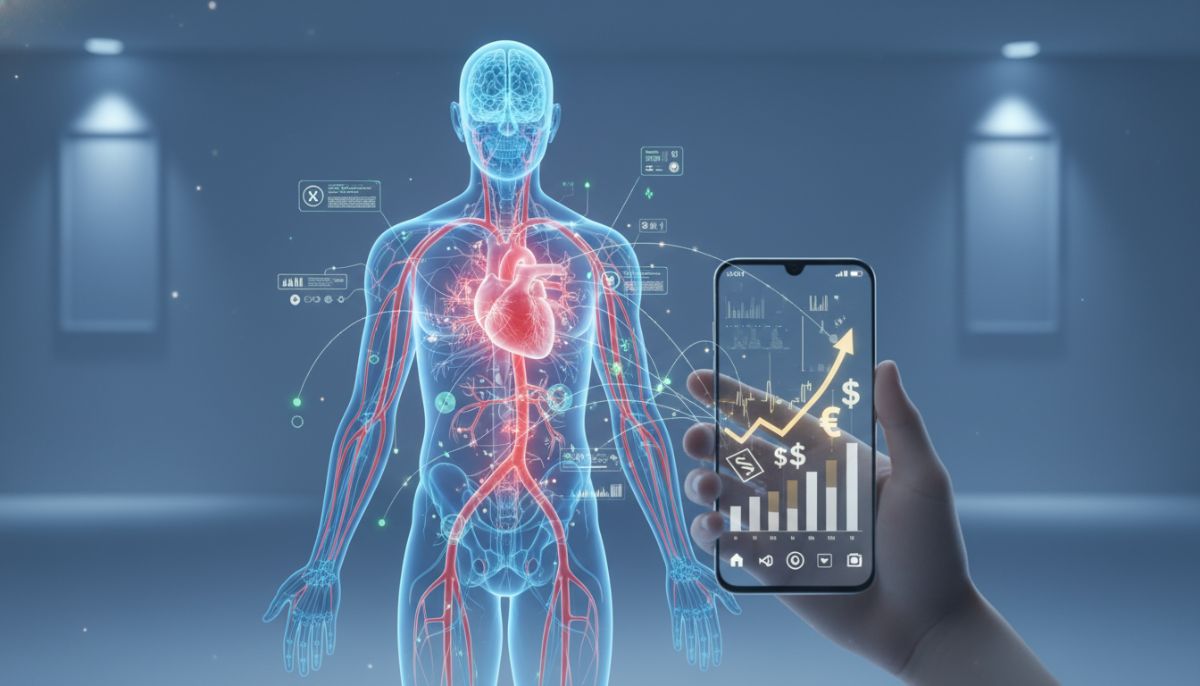
The global insurance industry has long operated on the principles of shared risk, historical averages, and broad demographic categorization. However, as we approach 2026, this legacy model is undergoing a monumental paradigm shift. The integration of advanced artificial intelligence, machine learning, and real-time big data analytics is giving rise to a highly customized approach to coverage: AI-powered personalized life insurance premiums 2026.
No longer will policyholders be judged solely by static factors such as age, gender, and basic medical exams conducted once every decade. Instead, the next generation of actuarial science will leverage dynamic, continuous, and highly individualized data streams to calculate risk in real time. This article provides a comprehensive exploration of how AI-powered personalized life insurance premiums 2026 will transform the industry, the technology driving this revolution, the ethical implications, and what consumers must do to prepare for this new era.
The Evolution of Risk Assessment: Moving Beyond Static Demographics
For centuries, life insurance underwriting relied on historical mortality tables. Actuaries grouped individuals into broad categories based on age, smoking status, and basic biological markers. This system, while statistically functional over large populations, often penalized healthier individuals within high-risk categories and failed to incentivize positive lifestyle changes.
By 2026, the widespread adoption of AI-powered personalized life insurance premiums 2026 will render these static models obsolete. Machine learning algorithms can now ingest, process, and analyze petabytes of unstructured and structured data. This allows insurers to build highly granular risk profiles. Instead of placing a 40-year-old male into a generic premium bracket, AI systems analyze specific daily habits, nutritional patterns, cardiovascular trends, and sleep hygiene to generate a completely unique premium score.

Key Drivers of AI-Powered Personalized Life Insurance Premiums in 2026
Several technological and societal factors are converging to make personalized premiums the industry standard. Understanding these drivers is crucial for both insurance carriers and modern policyholders.
1. Ubiquitous IoT and Wearable Technology
Wearable health devices, including smartwatches, biosensors, and continuous glucose monitors, have evolved from consumer novelties into highly accurate clinical tools. In 2026, policyholders who opt-in can seamlessly share their biometric data directly with their insurers. AI systems continuously analyze these data points to assess active risk mitigation.
2. Predictive and Prescriptive Analytics
AI models do not just look at past behavior; they predict future outcomes. By identifying subtle patterns in sleep quality, heart rate variability, and physical activity, predictive algorithms can flag early signs of chronic diseases years before clinical symptoms manifest. Insurers can then offer preventative health recommendations, lowering both the policyholder’s health risk and their premium cost.
3. Alternative Data Sources
Beyond traditional medical records, AI systems are increasingly trained to look at holistic lifestyle indicators. This includes grocery purchasing habits (processed via digital loyalty programs), environmental exposure data based on geolocation, and even mental wellness indicators assessed through opt-in digital therapy app interactions.
Traditional Underwriting vs. AI-Powered Dynamic Underwriting in 2026
To better understand the structural shift occurring within the industry, we can compare the attributes of traditional life insurance policies with the incoming wave of AI-powered personalized life insurance premiums 2026.
| Feature / Attribute | Traditional Underwriting Model | AI-Powered Dynamic Underwriting (2026) |
|---|---|---|
| Data Source Frequency | One-time medical exam and historical questionnaire | Continuous, real-time data streaming (IoT, Wearables) |
| Pricing Model | Fixed premiums for the duration of the policy term | Dynamic, flexible premiums adjusted based on behavior |
| Risk Categorization | Broad demographic cohorts (Age, Gender, Smoking) | Hyper-personalized micro-segments based on daily biomarkers |
| Policyholder Interaction | Transactional (Only during purchase, renewal, or claim) | Interactive (Daily wellness tracking and preventative tips) |
| Claims Processing | Manual, highly administrative, taking weeks | Automated via smart contracts and AI validation, taking hours |
| Underwriting Speed | 4 to 6 weeks for approval | Near-instantaneous (minutes to hours) |
The Benefits of Personalized Underwriting
The move toward AI-powered personalized life insurance premiums 2026 presents a rare “win-win” scenario for both financial institutions and consumers.
For Policyholders: Lower Costs and Empowered Health
For proactive individuals, personalized premiums offer unprecedented cost-saving opportunities. Under the old system, a healthy individual with a family history of cardiovascular disease might be locked into high rates. With AI-driven underwriting, if that individual maintains an exemplary lifestyle—demonstrated by regular physical activity, balanced nutrition, and consistent health monitoring—their premium will reflect their active prevention efforts, not just their genetics.
Furthermore, this model transforms life insurance from a passive safety net into an active wellness partner. Policyholders are incentivized with financial rewards for staying healthy, effectively gamifying longevity.
For Insurers: Enhanced Risk Mitigation and Customer Retention
By utilizing real-time data, insurers can accurately price risk, reducing the likelihood of catastrophic losses. Furthermore, insurers can transition from a “detect and pay” model to a “prevent and prescribe” model. By warning policyholders of emerging health anomalies detected through wearable data, insurers can prevent premature deaths, extending the policyholder\’s lifecycle and retaining profitable relationships longer.

“The integration of real-time AI analytics into life insurance underwriting shifts the industry’s focus from post-event financial compensation to active, life-saving risk prevention. In 2026, the best insurance policy is the one that actively helps keep you alive.”
Ethical Challenges, Algorithmic Bias, and Regulatory Oversight
Despite the clear advantages, the rapid deployment of AI-powered personalized life insurance premiums 2026 brings severe ethical and regulatory challenges that society must address.
The Risk of Socioeconomic Exclusion
One of the most pressing concerns is the potential creation of an underclass of “uninsurable” individuals. Those who cannot afford premium wearables, high-quality organic food, or clean living environments may be flagged by AI systems as high-risk, leading to prohibitively expensive premiums. Regulators in 2026 are increasingly introducing frameworks to ensure that baseline life insurance remains accessible and affordable, preventing algorithms from systematically discriminating against marginalized populations.
The “Black Box” Problem and Algorithmic Bias
AI models, particularly deep neural networks, often operate as “black boxes,” meaning their decision-making processes are not easily interpretable by humans. If an AI denies coverage or spikes a premium, the consumer has a legal right to know why. Under updated frameworks like the European Union\’s AI Act and evolving NAIC (National Association of Insurance Commissioners) guidelines, insurers are required to implement “explainable AI” (XAI) to ensure transparency and prevent biases related to race, ethnicity, or socioeconomic status.
Data Privacy and Security
Sharing intimate biological and lifestyle data with financial institutions requires a high degree of trust. Cybersecurity is paramount. Insurers must implement state-of-the-art cryptographic protocols, decentralized data storage, and strict zero-trust frameworks to prevent data breaches that could expose sensitive medical history to unauthorized parties.

Preparing for the Shift: What Policyholders Should Expect in 2026
As the industry completes its transition to AI-powered personalized life insurance premiums 2026, consumers should adapt their approach to securing coverage:
1. Adopt Wearables Early: Building a positive, verifiable historical health record via consumer wearables will be highly beneficial when negotiating premium rates in 2026.
2. Understand Opt-In Terms: Always read the data sharing agreements. Understand exactly what data points your insurer will monitor and how they affect your premiums.
3. Engage in Preventative Programs: Take advantage of insurer-sponsored wellness programs. These programs not only offer discounted premiums but also provide access to personalized health coaching and diagnostic tools.
Conclusion
The arrival of AI-powered personalized life insurance premiums 2026 marks the end of the one-size-fits-all era. By harnessing the power of artificial intelligence, real-time wearable data, and predictive analytics, the insurance landscape is evolving into a dynamic, proactive, and personalized ecosystem.
While challenges surrounding algorithmic bias, data privacy, and ethical pricing must be rigorously managed by global regulators, the benefits of this transition are undeniable. Policyholders are empowered to take control of their health, while insurers can mitigate risk more effectively than ever before. Ultimately, the future of life insurance is not just about financial protection after death—it is about actively incentivizing a healthier, longer, and more vibrant life.