Introduction
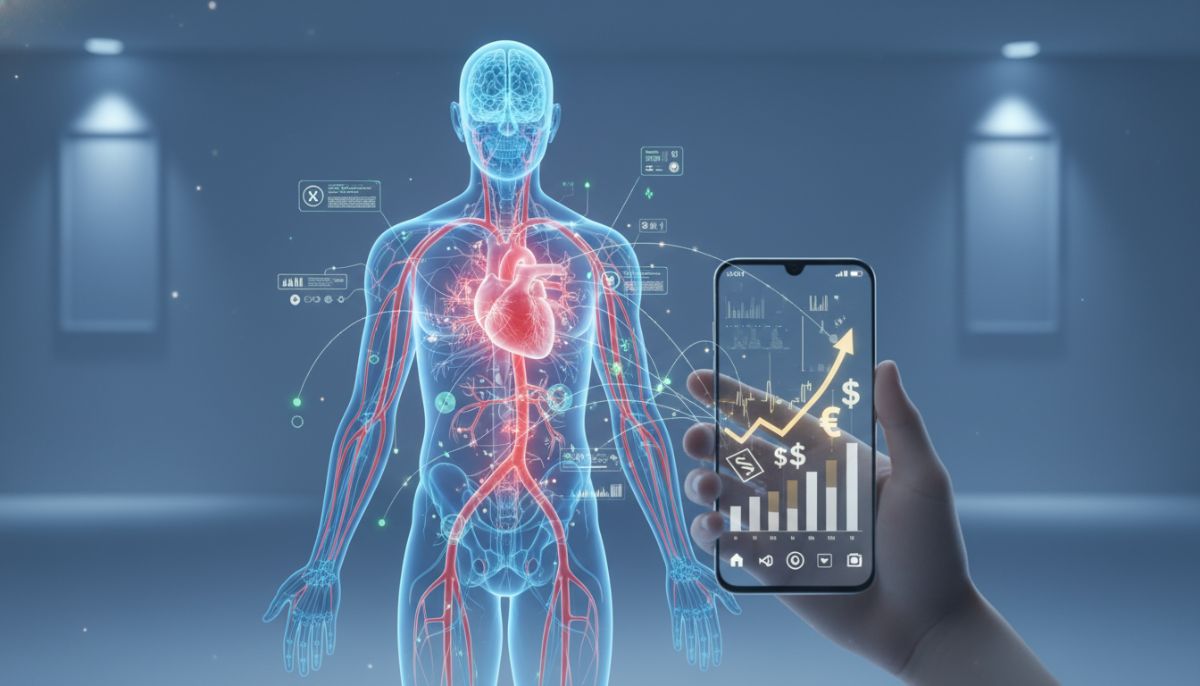
The landscape of the global health insurance industry is undergoing a monumental transformation. Traditionally, health insurance operated on a reactive model: policyholders paid monthly premiums, and insurers stepped in to cover costs only after an illness or medical event occurred. However, the advent of wearable technology, Internet of Things (IoT) devices, and advanced data analytics has ushered in a proactive era. At the forefront of this revolution are biometric-linked health insurance rewards programs.
These innovative programs align the financial incentives of insurance companies with the physical well-being of their policyholders. By sharing verified, real-time physiological data, policyholders can unlock substantial financial rewards, premium discounts, and lifestyle perks. This comprehensive guide explores how biometric-linked health insurance rewards programs work, their multi-faceted benefits, data security implications, and what the future holds for this rapidly growing sector of InsurTech.

Understanding Biometric-Linked Health Insurance Rewards Programs
At their core, biometric-linked health insurance rewards programs are structured frameworks where policyholders opt to share their personal health data with their insurance providers in exchange for tangible incentives. Unlike traditional underwriting, which relies on historical medical questionnaires and static actuarial tables, these programs leverage continuous, dynamic data.
Typically, data collection occurs through two primary channels:
1. Wearable Technology: Smartwatches, fitness trackers, and specialized sensors that monitor daily physical activity, heart rate, sleep quality, and active calories burned.
2. Annual Clinical Screenings: Standard physical exams that record vital health metrics such as blood pressure, body mass index (BMI), blood glucose levels, and lipid panels (cholesterol).
By integrating this data into their systems, insurers can build a highly accurate, real-time profile of an individual’s lifestyle and cardiovascular health. Policyholders who meet specific, healthy thresholds or demonstrate consistent improvement are rewarded dynamically.
The Mutual Benefits: Insurers vs. Policyholders
The rapid adoption of biometric-linked health insurance rewards programs stems from a rare win-win dynamic. Both the consumer and the underwriter gain significant value from the integration of biometric tracking.
Benefits for Policyholders
- Financial Incentives: The most immediate draw is the reduction in premium costs. Active participants can often save between 5% and 25% on their annual premiums. Other rewards include cash-back bonuses, gym membership subsidies, or gift cards to popular retailers.
- Gamification and Motivation: Staying healthy can be challenging. By gamifying wellness through points, streaks, and milestones, these programs provide the psychological nudge needed to sustain healthy habits.
- Preventative Health Outcomes: Early detection is key. Continuous monitoring helps policyholders spot anomalies in their heart rate or sleep patterns before they escalate into chronic illnesses.
- Risk Mitigation: Encouraging healthier habits directly reduces the frequency and severity of medical claims.
- Improved Customer Retention: Rewards programs increase touchpoints between the insurer and the client, fostering brand loyalty and reducing policy churn.
- Data-Driven Underwriting: Instead of guessing risks, insurers can use highly accurate data to price policies more effectively, reducing their loss ratios.
- Continuous Glucose Monitoring (CGM) Integration: Allowing pre-diabetic and diabetic individuals to manage their glycemic variability in real-time, backed by insurance rewards.
- Predictive AI Underwriting: Moving from backward-looking statistics to forward-looking predictive modeling, reducing premium costs even further for individuals actively engaging in preventative care.
- Mental Wellness Tracking: As biomarkers for stress and mental health (like vocal variations or micro-sweat responses) become more accurately tracked via wearables, insurers will likely begin rewarding mental health maintenance.
Benefits for Insurers
“The shift toward biometric-linked health insurance rewards programs represents a fundamental paradigm shift in healthcare finance: transitioning from a system that pays for sickness to one that actively invests in and rewards continuous, measurable wellness.” — Global InsurTech Research Institute
Key Biometric Metrics Tracked and Their Incentives
Not all biometric markers are treated equally. Insurers focus heavily on key performance indicators (KPIs) of systemic cardiovascular and metabolic health. Below is a structured breakdown of the most common biometrics monitored within these programs:
| Biometric Metric | Tracking Mechanism | Typical Reward / Incentive | Health Significance |
|---|---|---|---|
| Daily Step Count / Active Minutes | Smartwatch / Fitness Tracker | Premium discounts, digital gift cards, gadget subsidies | Enhances cardiorespiratory fitness; prevents obesity |
| Heart Rate Variability (HRV) & Sleep | Wearable sleep trackers / Rings | Cash-back bonuses, lower renewal rates | Critical indicator of recovery, stress management, and cardiac health |
| Blood Pressure & Cholesterol | Annual clinical biometric screenings | Deductible reductions, wellness points | Minimizes risk of stroke, hypertension, and heart disease |
| Body Mass Index (BMI) & Body Fat | Smart scales / Annual checkups | Monthly premium rebates | Tracks metabolic health and risk of type 2 diabetes |

Addressing Privacy, Data Security, and Ethical Concerns
While the benefits of biometric-linked health insurance rewards programs are undeniable, they are not without controversy. The collection of highly sensitive personal health data raises valid questions about privacy, consent, and equity.
1. Data Security and Hacking Risks
Health data is a prime target for cybercriminals. Insurers must implement military-grade, end-to-end encryption and comply with stringent data protection frameworks such as the Health Insurance Portability and Accountability Act (HIPAA) in the United States and the General Data Protection Regulation (GDPR) in the European Union. Transparent privacy policies must clearly state how data is stored, who has access to it, and that it will not be sold to third-party advertisers.
2. The Risk of Discriminatory Pricing
Critics worry that biometric tracking could eventually become mandatory, leading to punitive pricing. Individuals with genetic predispositions, chronic disabilities, or those living in areas where outdoor physical activity is unsafe could face higher premiums through no fault of their own. To prevent this, ethical biometric-linked health insurance rewards programs focus on rewarding personal progress rather than achieving uniform, absolute fitness benchmarks.
The Technological Powerhouse Behind the Scenes: AI and IoT
The seamless execution of these wellness programs relies on robust technological infrastructure. Artificial Intelligence (AI) algorithms parse terabytes of incoming biometric stream data to identify patterns, flag potential health hazards, and personalize daily health goals for individual users. For instance, if an AI detects that a user’s average resting heart rate has elevated over a week, it might prompt a subtle warning or suggest a rest day, preventing overexertion.

The Future of Biometric-Linked Health Insurance
We are only scratching the surface of what is possible. The future of biometric-linked health insurance rewards programs lies in deeper medical-grade integration. We can expect:
Conclusion
Biometric-linked health insurance rewards programs represent the future of sustainable healthcare. By turning healthy living into a transactional benefit, these programs empower individuals to take control of their physical destiny while helping insurance providers optimize risk and lower costs. As long as insurers address privacy issues with absolute transparency and prioritize equitable reward structures, this collaborative wellness model will continue to reshape global health outcomes for decades to come.